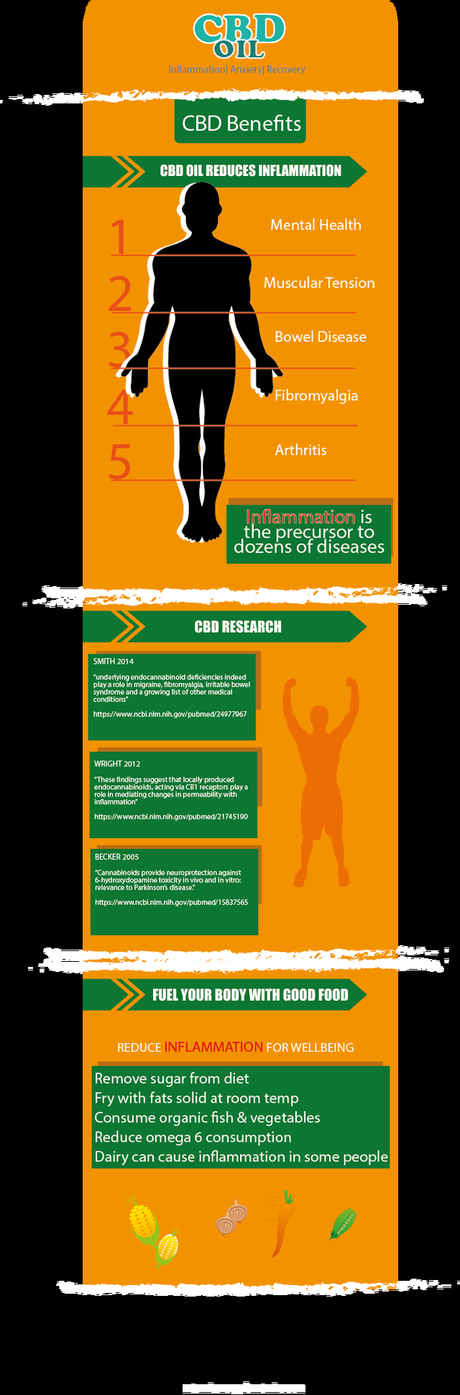
That conversation about CBD has developed notably in recent years, moving past the early hype plus to a sphere of serious conversation about its potential gains for general wellbeing. As people seek alternatives to conventional medications, notably for issues like long-term pain as well as sexual issues, CBD has emerged as a attractive option. Due to its application in integrating with other wellness methods to its usage in innovative methods like CBD suppositories, the arena of CBD remains multifaceted and brimming with potential.
One area of particular interest is the use of CBD for conditions such as dyspareunia and pelvic pain, where individuals are progressively seeking relief that avoids invasive procedures or reliance on opioids. Studies suggests that CBD may provide a non-invasive method to dealing with pain and discomfort, providing new options for those dealing with these sensitive issues. Understanding the extended effects of CBD on wellness not only clarifies its efficacy but also aids demystify its role in a comprehensive approach to health.
Understanding Cannabidiol Suppositories
Cannabidiol suppositories offer a distinct method of delivery for cannabidiol, providing an substitute for those who could dislike traditional forms such as oil or edibles. These suppository forms are typically designed for rectal or vaginally inserted use, allowing cannabidiol to be absorbed directly into the bloodstream through the mucous membranes. This method can result to faster onset of effects and possibly increased bioavailability compared to ingested consumption.
One of the major benefits of using cannabidiol suppositories is their ability to target specific areas of pain. For individuals experiencing issues such as dyspareunia, CBD suppositories may provide specific relief. The anti-inflammatory and muscle-relaxant properties of cannabidiol can help ease tension in the pelvic area, making them a viable option for those dealing with pain in the pelvic region.
Additionally, the subtle nature of cannabidiol suppository products makes them an desirable choice for many users. They are easy to transport and use without drawing attention, which can be important for individuals seeking relief without the stigma that sometimes accompanies cannabis products. As research continues to investigate the full range of advantages from cannabidiol, suppositories may become as a valuable tool in promoting overall health.
CBD for Dyspareunia Relief
Dyspareunia, or painful intercourse, is a disorder that affects numerous people and can greatly impact their well-being. For those suffering from this discomfort, the search for effective relief can often lead them to investigate multiple treatment options. Recent studies have suggested that CBD may offer potential benefits for individuals suffering from dyspareunia. https://stupiddope.com/2025/07/why-cannabis-tourism-in-2025-is-all-about-wellness-not-partying/ and inflammation-reducing properties can help alleviate discomfort, providing a more pleasurable and relaxed experience during intimacy.
Cannabidiol insertables, in particular focus, have gained interest as an innovative method of delivering cannabidiol straight to the affected area. This delivery system allows for targeted relief, which may be especially helpful for individuals with pelvic pain. By targeting the discomfort more directly, users may find greater effectiveness compared to more conventional forms of cannabidiol, such as oils or capsules. This focused approach could open additional pathways for those seeking solutions to their personal challenges.
As research on CBD continues to develop, it is important for individuals suffering from dyspareunia to talk with healthcare professionals about its use. With the rise of CBD products in the wellness market, understanding the right formulations and dosages can be essential. By combining expert advice with personal experience, individuals can better navigate the potential advantages of incorporating cannabidiol into their approach to pain management and enhancing overall health.
Examining Cannabidiol for Pelvic Health
The use of CBD in pelvic wellness has received interest as a potential remedy for various conditions, including pelvic discomfort and unease. Many individuals experience pelvic-related issues such as dyspareunia, which can greatly affect their quality of life. CBD's anti-inflammatory properties may help reduce pain and enhance overall pelvic health by modulating the body’s endocannabinoid system. This system has a critical role in controlling pain perception, making CBD a viable option for those seeking comfort.
CBD suppositories have become as a targeted delivery method for pelvic health, offering direct relief for conditions like pelvic discomfort and menstrual pain. This method allows for higher absorption and quicker onset of effects compared to other forms of Cannabidiol. Patients have reported positive experiences using these suppositories for conditions that are frequently difficult to talk about, highlighting the increasing acceptance and exploration of Cannabidiol as a natural alternative in pelvic wellness care.
Studies comparing Cannabidiol with traditional pain management options such as morphine shows that Cannabidiol may provide an effective, less risky alternative. While opioids can have significant side effects and risks of addiction, CBD offers a more natural approach to managing pain without such concerns. As interest in natural remedies continues to rise, CBD offers hope as a safe and beneficial option for individuals seeking to improve their pelvic health and overall wellbeing.
Cannabidiol vs Opioids: A Comparative Analysis
The growing interest in CBD as an option to traditional opioids for pain relief has prompted a deeper investigation at their individual effects on health. While opioids have long been prescribed for intense pain relief, they are also linked to a range of side effects and a high potential for addiction. In contrast, CBD, particularly in formats such as CBD suppositories, offers a non-intoxicating option that may reduce pain without the comparable level of dependency risk. This makes CBD an attractive choice for individuals seeking relief from conditions such as painful intercourse or pelvic pain.
Research suggests that cannabidiol interacts with the body's endocannabinoid system (ECS), which plays a vital role in regulating pain and inflammation. Unlike opiates, which bind to particular receptors in the central nervous system to inhibit pain signals, cannabidiol modulates the way the body perceives pain, potentially reducing discomfort through a alternative mechanism. For those suffering from chronic pain or conditions that lead to discomfort, such as dyspareunia, cannabidiol products can provide an option that promotes overall wellbeing while minimizing the dangers associated with opioid use.
Furthermore, the prolonged use of opioids often leads to heightened tolerance and addiction, necessitating higher doses for the same effect. CBD, on the other hand, has not shown the comparable patterns of tolerance or addiction in users. As look at here seek natural supplements for pain relief, comparing CBD's safety and effectiveness against opiates underscores the need for a shift towards investigating new treatment options that prioritize patient health without the risks often found in treatment with opioids.